
What's Hot

In hazardous environments, even a small spark or excessive surface temperature can potentially become an ignition source. Intrinsic Safety is a protection method designed to prevent this by limiting the electrical and thermal energy within equipment and its associated circuits. Rather than containing an explosion, intrinsically safe equipment is designed so that the energy available … Continue reading Intrinsic Safety in Hazardous Areas – When is it necessary?
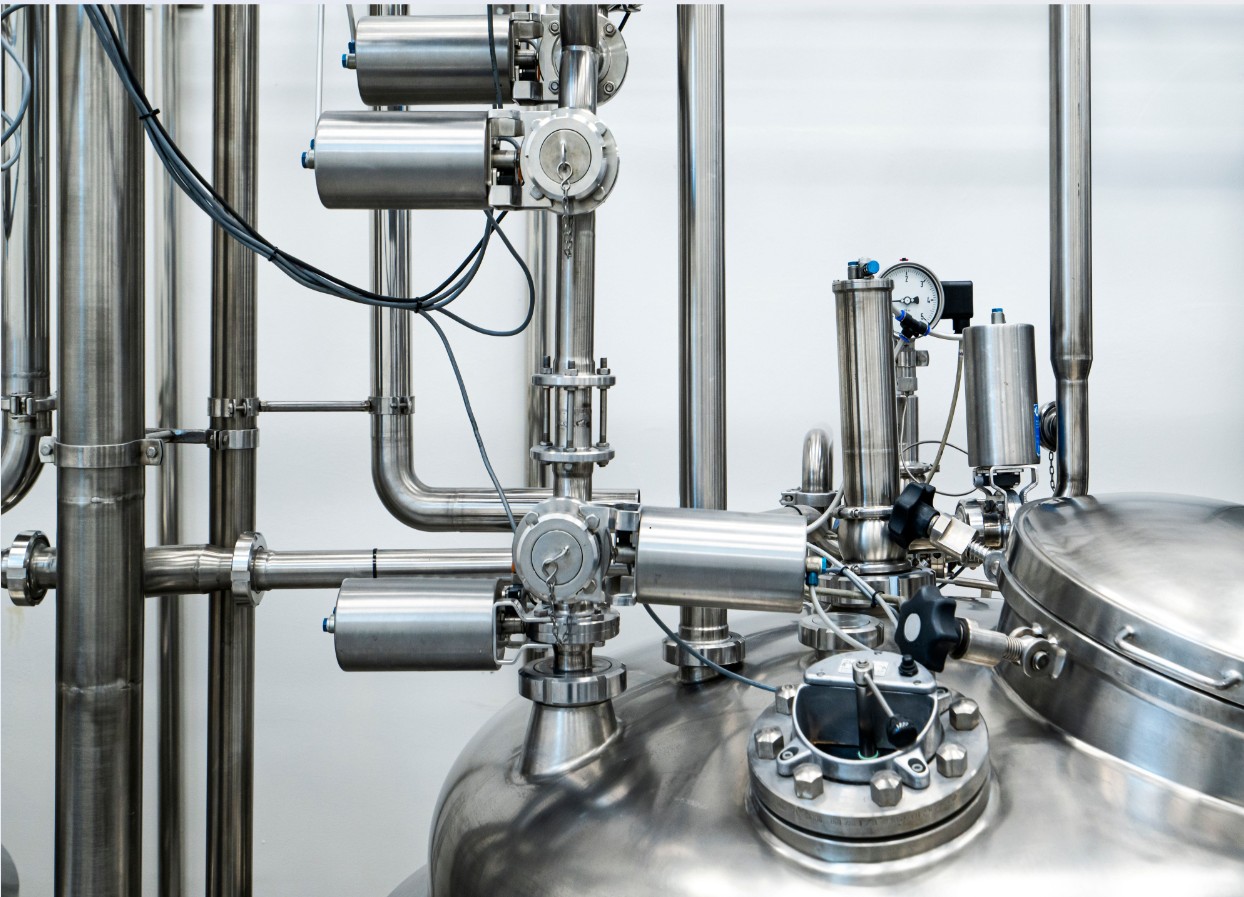
Chemical processing environments frequently involve flammable vapours, solvents and heated equipment such as mixers or storage vats. Where areas are classified as hazardous, temperature instrumentation must be suitable for that environment. ExTemp provides intrinsically safe, non-contact temperature measurement for these applications. Typical Measurement Applications Why Use Intrinsically Safe Infrared Measurement? Non-contact Measure surface temperatures without … Continue reading Intrinsically Safe Temperature Measurement in Chemical Processing
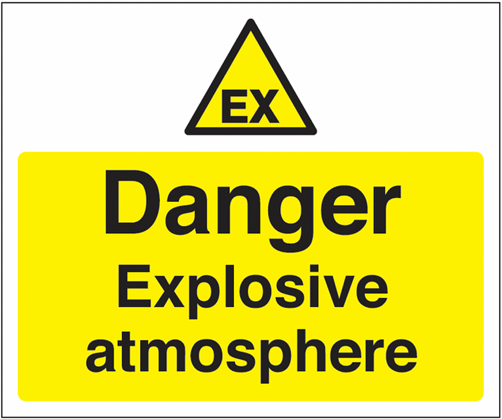
What is a Hazardous Area? A Hazardous Area is an area in which flammable substances, such as combustible gases, vapours, mists or dusts, can mix with air and, if an ignition source is present, cause an explosion. There are many routes to certify a product suitable for use in these areas, such as: These refer … Continue reading Hazardous Area Explainer
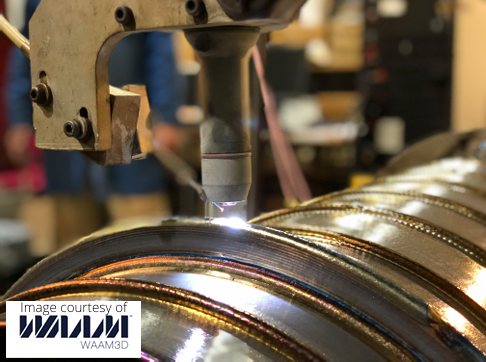
Wire Arc Additive Manufacturing (WAAM) is a metal 3D printing process used to build components layer by layer using metal wire as the feedstock. An electric arc generates the heat required to melt the wire, which is deposited as successive beads according to a digital design. The process is repeated until the required geometry is … Continue reading Wire Arc Additive Manufacturing (WAAM) & Metal 3D Printing

Infrared sensors provide an easy and accurate way of measuring the temperature of moving cylindrical objects in industrial processes. Calenders, rolls, rotating tubes and pipes have traditionally been difficult to measure using contact probes such as rolling thermocouples. The thermocouple tip rubs against the surface and must often be replaced; the response time is too … Continue reading Rollers, Pipes and Cylinders Non-Contact Temperature Measurement

If your application involves measuring a small target, you should ensure that the measured spot size of the infrared temperature sensor is small enough. Otherwise, it may be difficult to obtain an accurate measurement. We typically recommend that the measured spot size should be half the target size or smaller for best accuracy. For example, … Continue reading Infrared Temperature Measurement of Small Targets

The PyroCV Series of infrared temperature sensors is ideal for measuring the temperature of the road surface before and after asphalt is laid. It is is specifically designed for use on construction machinery and has been tested to EMC requirements for these environments. It provides simple, robust, non-contact temperature measurement with either CAN communications or … Continue reading Asphalt Temperature Measurement in Road Laying using the PyroCV Infrared Temperature Sensor
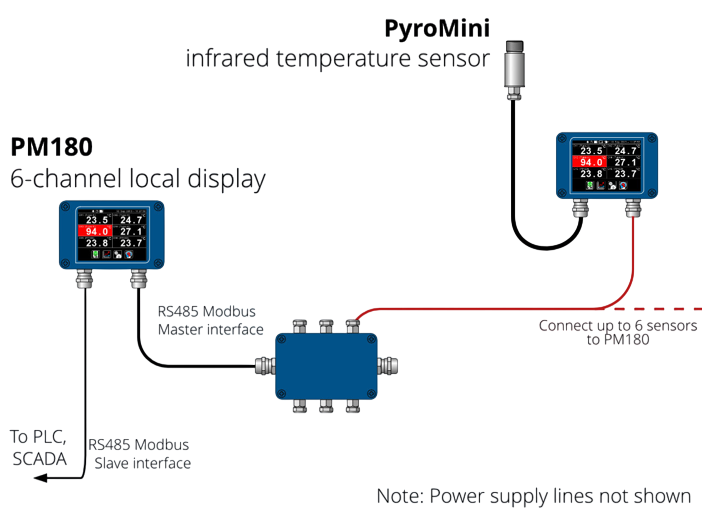
Infrared temperature sensors are often installed in locations where accurate temperature monitoring is critical to production and quality. In many applications, operators need to view the same temperature readings from multiple locations without relying on a SCADA system. A PyroMini infrared temperature sensor can be supplied with a dedicated display for local visualisation. Often, the … Continue reading Multi-Display Temperature Measurement System

We are pleased to announce that Errol Thomas .Jr has recently been promoted to Quality Director at Calex Electronics. Below, we highlight his journey with the company, his new role, and a little about his interests outside work.

The following application notes highlight a number of applications where temperature monitoring may be required in hazardous areas. In these environments, contact temperature measurement can present challenges. We highlight how our ATEX-certified non-contact infrared temperature sensors, such as ExTemp and ExTempMini, may help overcome these challenges.