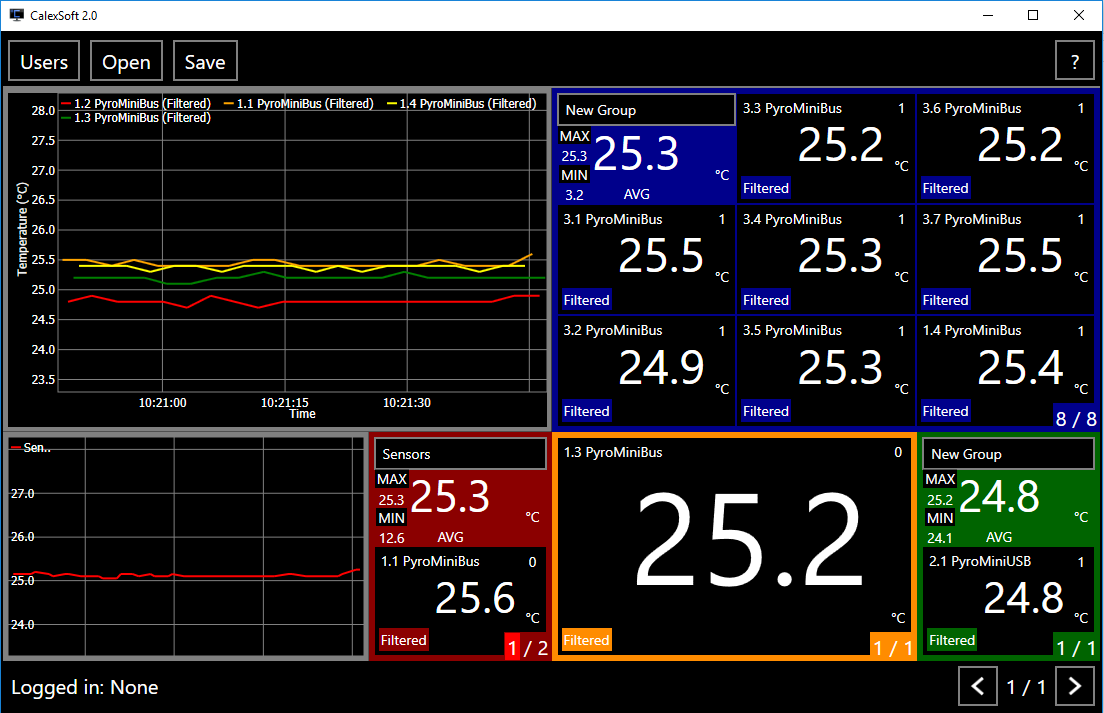
The new multi-channel temperature measurement software, CalexSoft 2, is now available as a beta release.
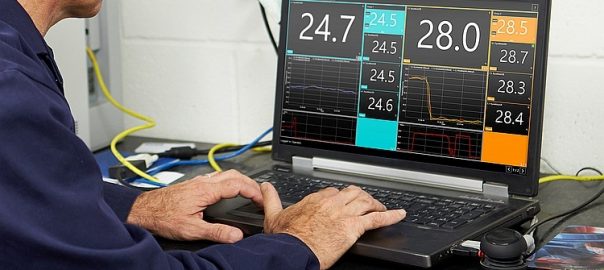
The new multi-channel temperature measurement software, CalexSoft 2, is now available as a beta release.
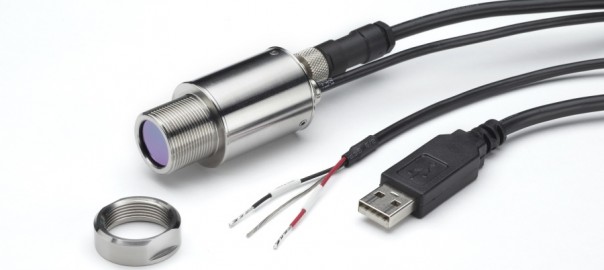
The new PyroUSB series of configurable infrared temperature sensors is now available!
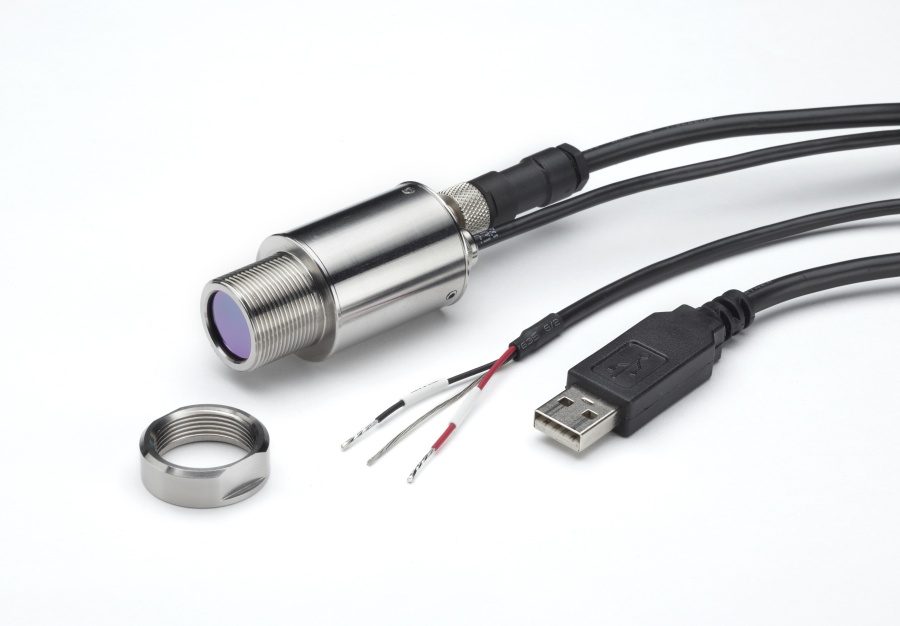
All models have a 2-wire, loop-powered 4-20 mA output for industrial process temperature monitoring, and a removable USB cable for configuration and benchtop temperature measurement. Continue reading New, Improved PyroUSB Configurable Pyrometer Now Available

The new PyroCAN is a simple non-contact infrared temperature sensor with CAN Bus communications.

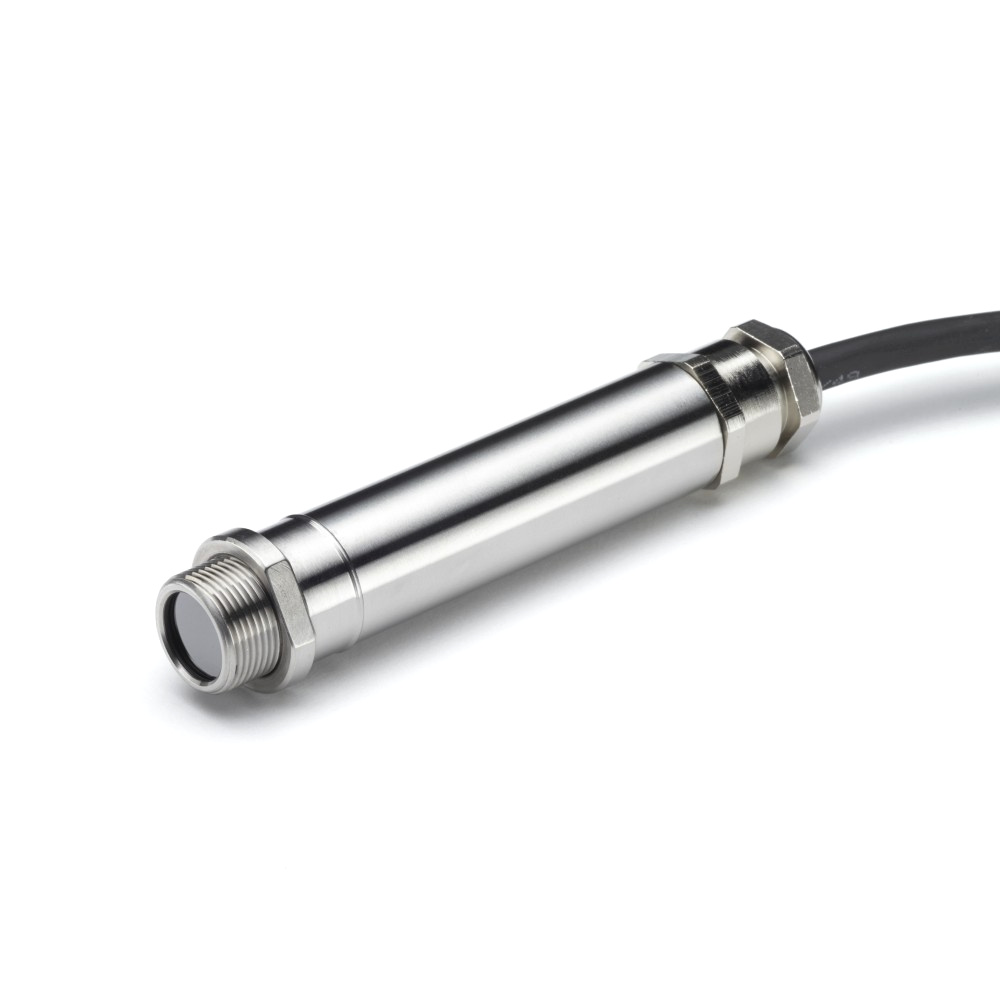
Connect this low-cost pyrometer directly to your CAN network for instantaneous temperature readings from inaccessible or moving surfaces. Continue reading New Infrared Temperature Sensor with CAN Bus Communications
Most infrared temperature sensors have an adjustable emissivity setting. Here’s how to use this powerful feature to achieve accurate measurements from a variety of surfaces. Continue reading How to Adjust the Emissivity Setting of an Infrared Temperature Sensor
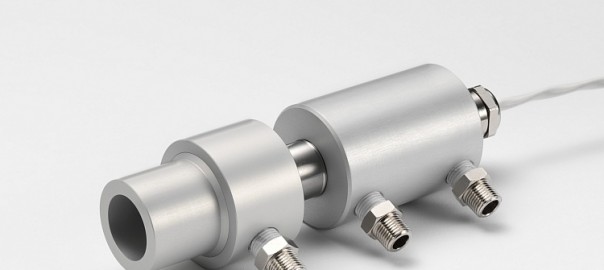
Non-contact temperature measurement is now possible in areas of high ambient temperature with no need for sensor cooling using air or water.
This brings several benefits, including cost reduction, better safety, and improved product quality in manufacturing processes.
Continue reading Eliminate Sensor Cooling to Simplify Installation, Improve Quality and Save Money
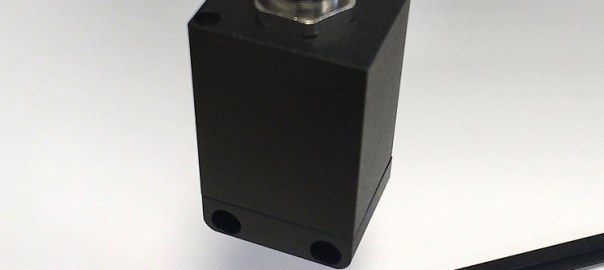
Technical advice from Calex Electronics on choosing a suitable infrared temperature sensor to measure small targets.
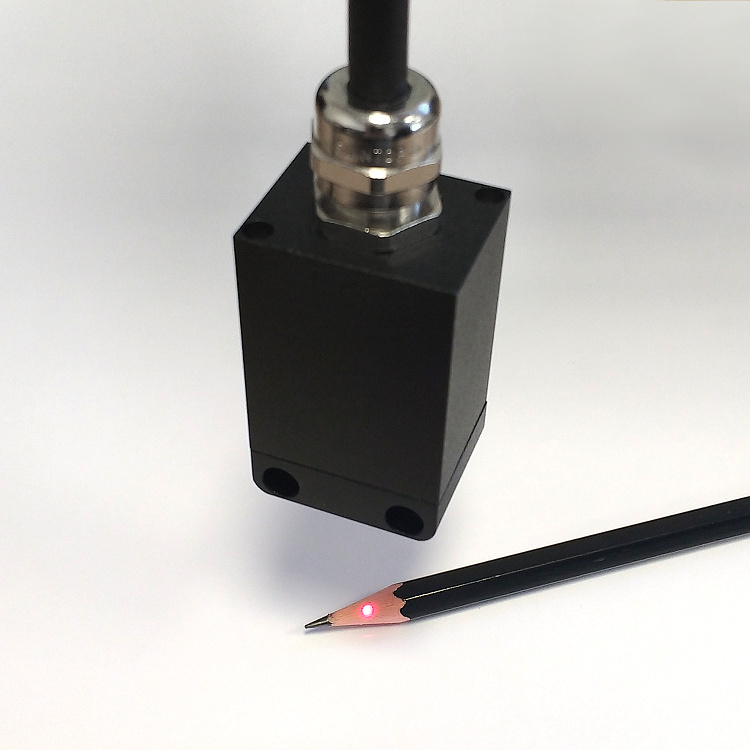
Continue reading Measuring Small Objects with Infrared Pyrometers
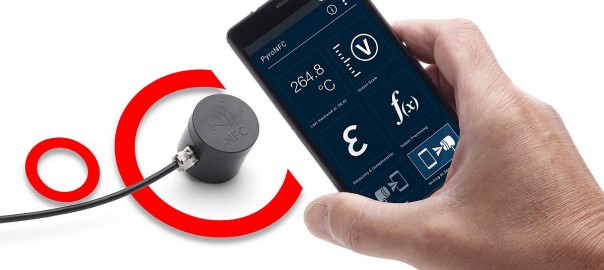
The new PyroNFC-K from Calex Electronics is a fully-configurable infrared temperature sensor that can be installed in place of a thermocouple probe quickly and easily.
Continue reading Replace Thermocouples Easily with the PyroNFC-K
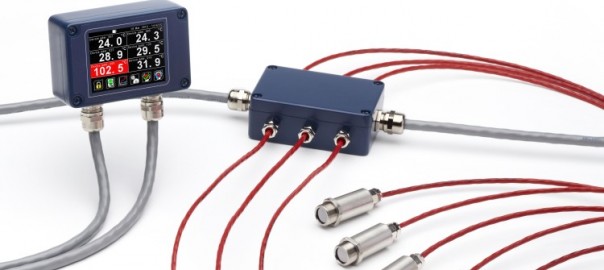
The PM180 allows a group of infrared temperature sensors to be connected to a Modbus Master as a single device. Here’s how to configure the Modbus Master to communicate with each of the sensors.
Continue reading How to Communicate with Modbus Sensors via the PM180
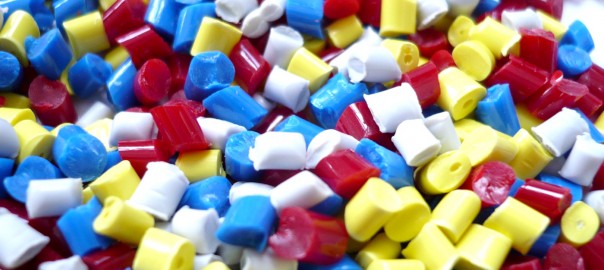
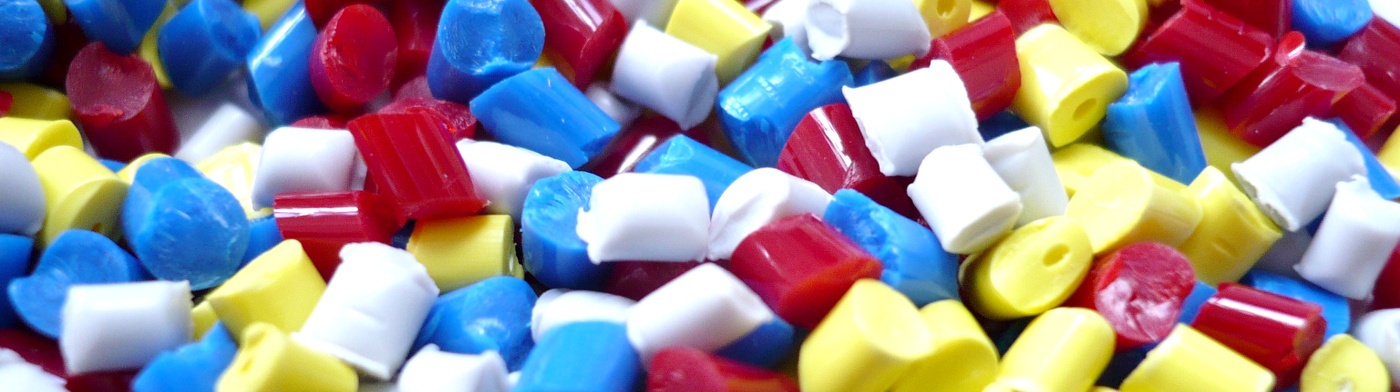
Thick plastics are non-reflective to infrared radiation, so they are usually easy to measure with infrared temperature sensors. Thin plastic films can transmit IR, and a specialised sensor is sometimes required for accurate results. Calex has suitable pyrometers for measuring plastics in many industrial applications.
Temperature measurement in thermoforming is easy and straightforward with non-contact infrared sensors.Read our application note to find out more.
Application note: Thermoforming
Thin plastic film is heated by rollers and stationary heater bars, and bonded to a substrate such as paper. Machines can have multiple heating rollers. The temperature of the heating rollers is monitored, and is typically below 140°C. Manufacturers of laminating machines install non-contact temperature sensors to control the process.
General purpose sensors (e.g. PyroCouple, PyroNFC, PyroMini, PyroMiniBus):
– measure the temperature of rubber-coated heating rollers
– measure the temperature of the laminated web
PyroUSB 2.2 model PU151LT2.2:
– measure reflective steel heating rollers above approximately 50-60°C (depending on the emissivity of the roller)
(e.g. cable manufacturing, automotive parts such as bumpers)
The surface of the plastic is briefly melted by a flame. When it hardens, it has a smooth, polished finish.
In cable manufacturing, the outer insulation jacket is flame polished. The PyroCube has the smallest measured spot diameter for very narrow wires (as small as 0.7 mm on PyroCube XS models).
In automotive manufacturing, the flame polisher can be a handheld machine. A sensor, such as the PyroMini -HA with high-ambient sensing head, can be mounted on the flame polisher. The display on the electronics module turns bright red to show the operator if the surface is getting too hot.
The temperature of the plastic bottle preform is measured just before it is inflated in the mould.
If the preform is 10mm in diameter or more, and held in front of the sensor for more than 0.25 seconds, then a general purpose sensor with close focus optics gives good results, for example the PyroCouple, PyroMini or PyroBus, depending on the required output type.
If a faster response time than 0.25 seconds is needed, or if the preform is narrower than 10 mm, we suggest the PyroCube. This can measure a spot of 0.7 mm diameter with a response time of 10 ms.
The temperature of the plastic after it exits the die is easily monitored using non-contact sensors. Extrusion of plastic tubing and profiles requires temperature control to ensure consistent quality. The tube or profile can be narrow, so the very small measured spot of the PyroCube is ideal. If the die is changed, the aiming angle of the sensor must often be adjusted, and the continuous LED sighting makes this easy.
Extruded sheet can be monitored to control cooling using the same types of sensors as in Laminating (above). If the sheet is thick, it can be measured directly using these sensors. If it is a thin film, a specialised sensor such as the PyroCube P is required.
Molten plastic (e.g. polyethylene) is extruded in a sheet and bonded onto a substrate material such as corrugated board, paper, cellulose, non-woven fabric, or plastic film. The plastic passes between the substrate and a nip roller to form the laminated product. It can be bonded between two substrates in a single process.
Note: If the extruder is deep in the nip of two rollers, there might not be sufficient space to install an infrared temperature sensor.
The PyroCube P is capable of measuring the plastic temperature as it leaves the extrusion die.
Other sensors, as shown in Laminating, may be used for roll temperature monitoring, to control heating and cooling.
A temperature profile is measured as the filled pouches pass the sensor to detect defects in the seal area. The PyroCube P or F is likely to be the most suitable model, depending on the required response time and film thickness.
More information on food pouch temperature measurement with the PyroCube
The seal area is usually narrow, so a PyroCube sensor is required. Consider the type and thickness of the plastic to determine whether the PyroCube P or S is the most suitable: P models are better for measuring thin-film polyolefins.
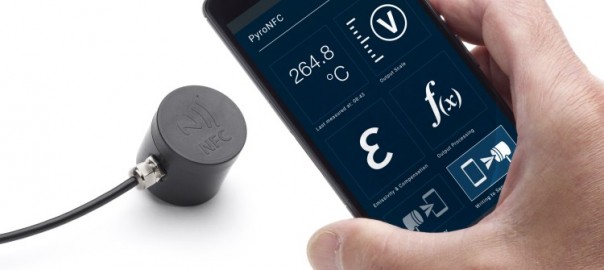
In this video, Anthony Smith introduces the PyroNFC, the world’s first NFC-compatible infrared temperature sensor.
The sensor has configurable voltage and alarm outputs, and is compatible with Android phones with NFC.
Watch this video to find out about the main features of the sensor and the app.