
Tag Archives: Choosing a Sensor
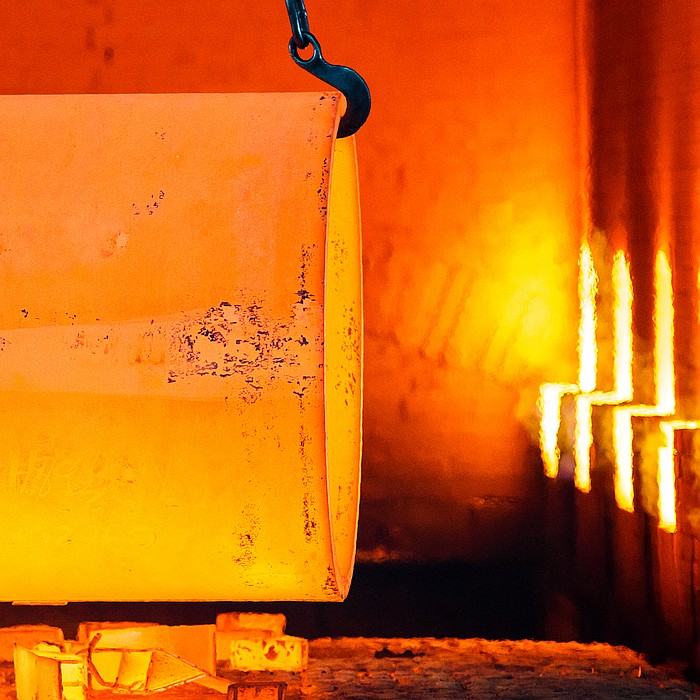
Calex short wavelength (2.0 to 2.6 µm) infrared temperature sensors are suitable for accurately measuring the surface temperature of non-metals and some metals at high or low temperatures. These sensors have adjustable emissivity settings, reflected energy compensation and peak and valley hold processing, making them particularly suitable for measuring hot objects in a furnace or on … Continue reading Comparison of Short Wavelength Infrared Temperature Sensors
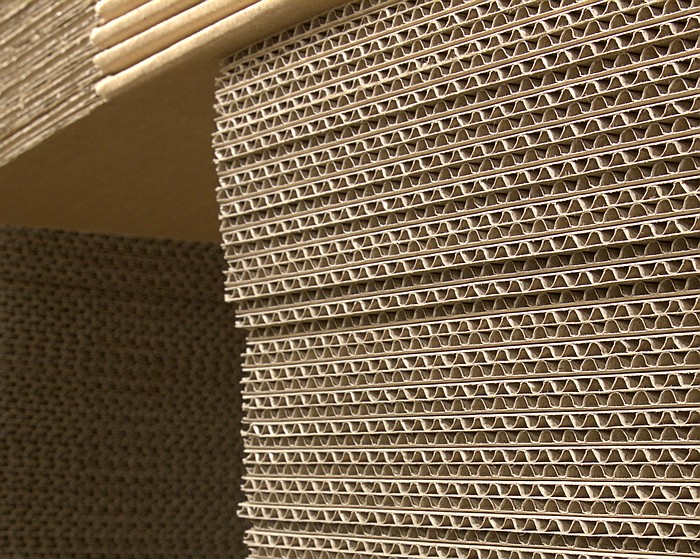
Calex non-contact infrared temperature sensors are now being used with excellent results by leading manufacturers of corrugated cardboard worldwide. Here’s how.
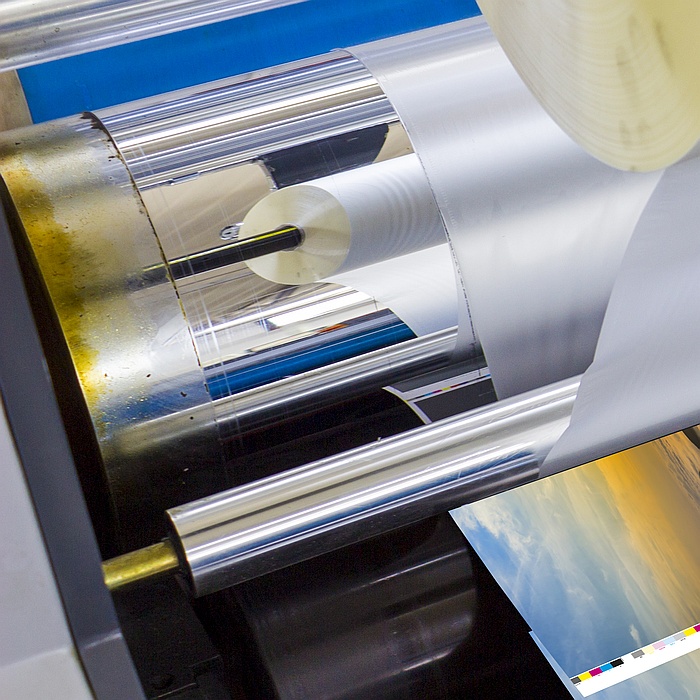
Calex normally recommends using a short-wavelength infrared temperature sensor to measure the temperature of metals, instead of a general-purpose type, because it is more accurate. But why is it more accurate? Here are the reasons.
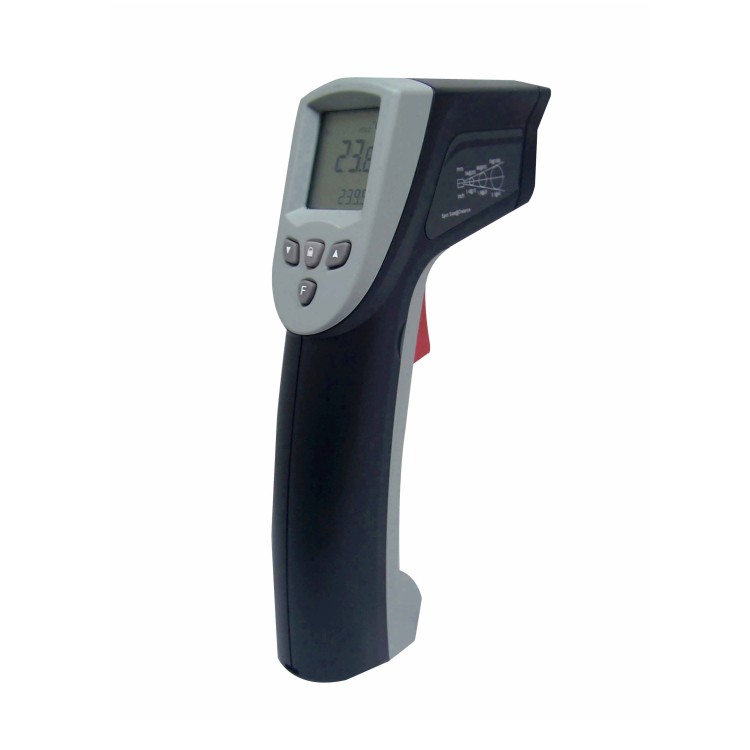
A handheld infrared thermometer is a useful diagnostic tool. Here are some tips on how to achieve accurate measurements, and how the handheld thermometer can be used to find out if a planned installation of fixed-mount sensors could be successful.
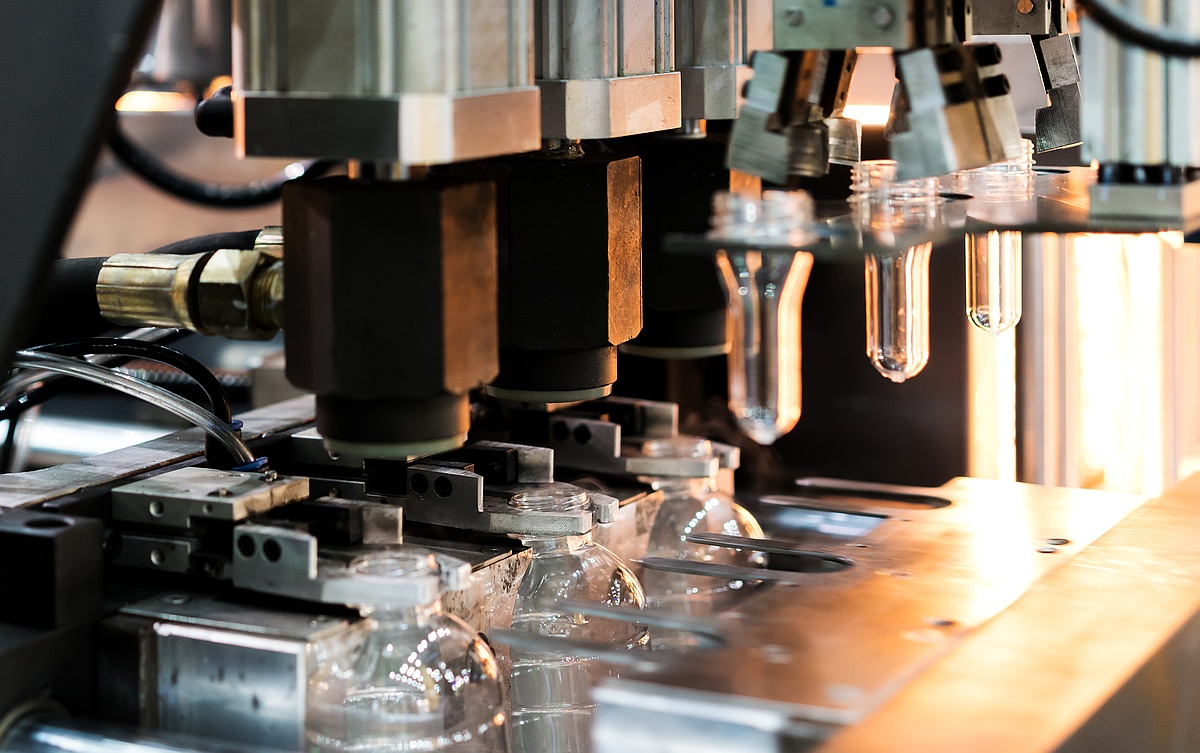
Measuring the temperature of plastic preforms in blow moulding applications is easy with Calex infrared temperature sensors. An accurate measurement can be obtained as fast as 1 millisecond, even from the smallest preform, without touching the preform.
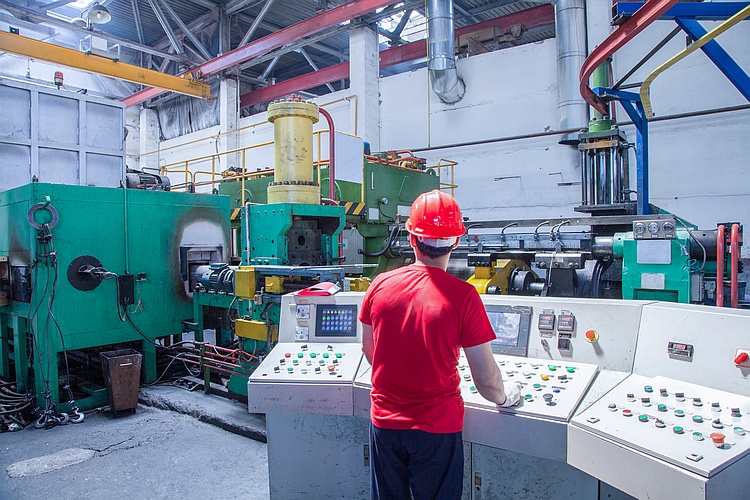
Calex has achieved success in measuring the surface temperature of extruded aluminium profiles using low-cost non-contact pyrometers. Measurements were taken by a leading manufacturer of extruded profiles at the press exit and after the quench, and good results were obtained with short-wavelength single-wavelength pyrometers, even with significant steam near the quench box.
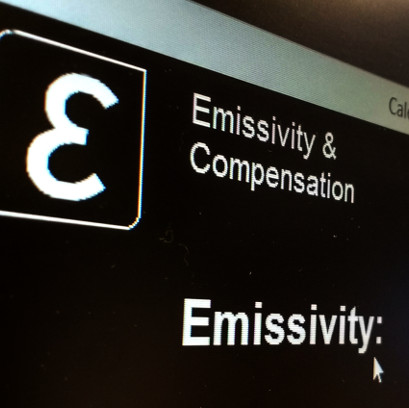
Most infrared temperature sensors have an adjustable emissivity setting. Here’s how to use this powerful feature to achieve accurate measurements from a variety of surfaces.
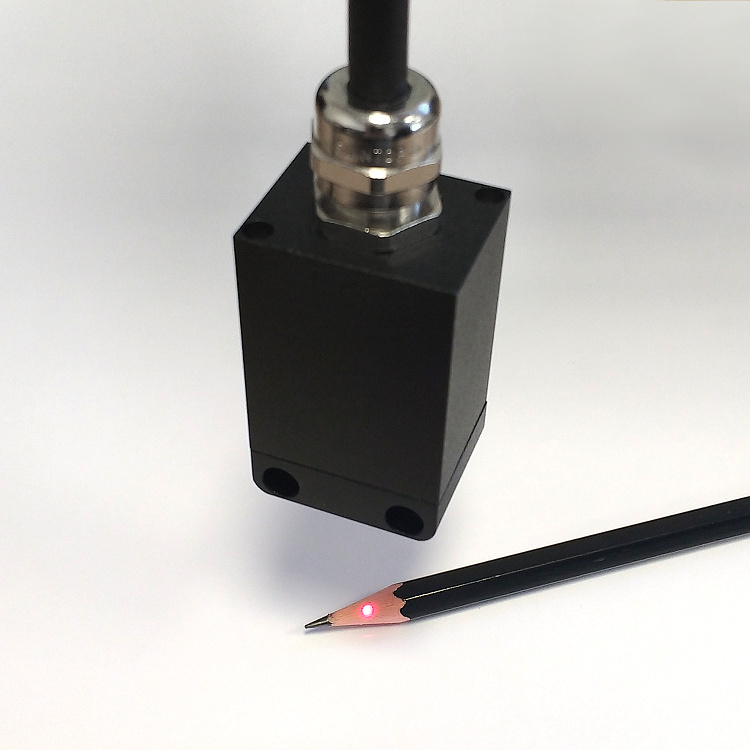
Technical advice from Calex Electronics on choosing a suitable infrared temperature sensor to measure small targets.
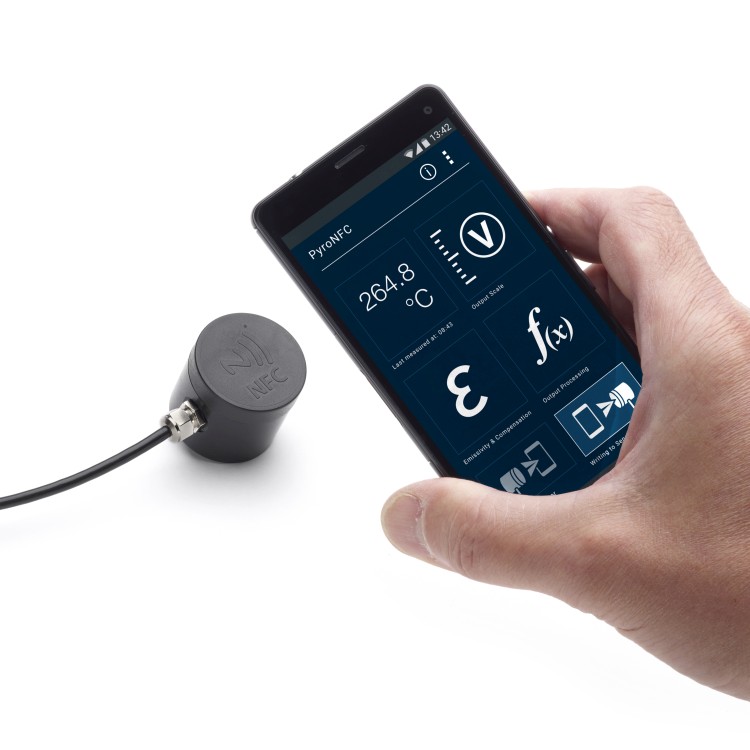
In this video, Anthony Smith introduces the PyroNFC, the world’s first NFC-compatible infrared temperature sensor. The sensor has configurable voltage and alarm outputs, and is compatible with Android phones with NFC. Watch this video to find out about the main features of the sensor and the app.
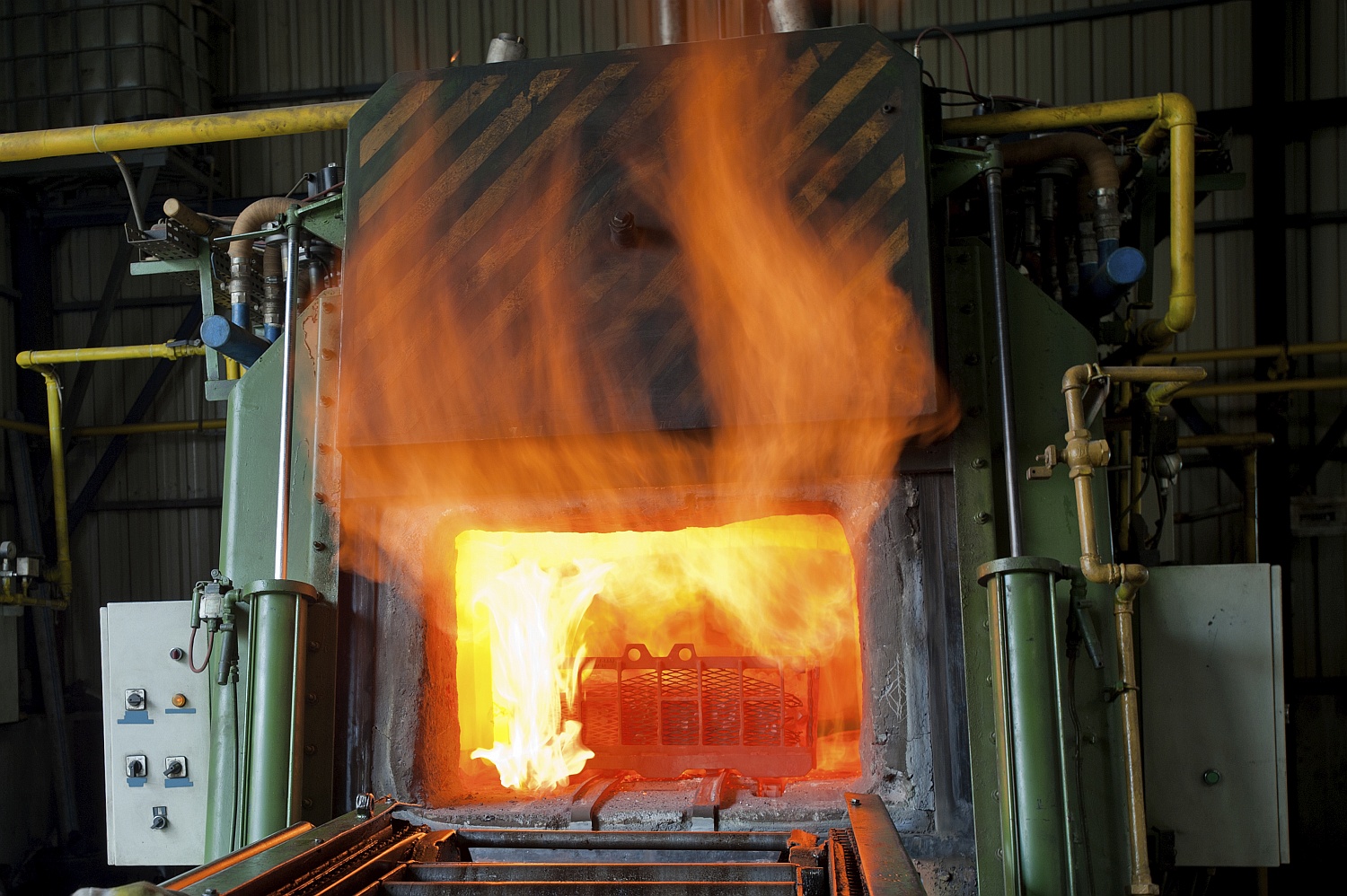
How do you measure the temperature of an object without touching it? What kind of sensor should you use? How accurate is the measurement? Learn all this and more with this brief introduction to infrared thermometry.