
Hazardous Area Explainer
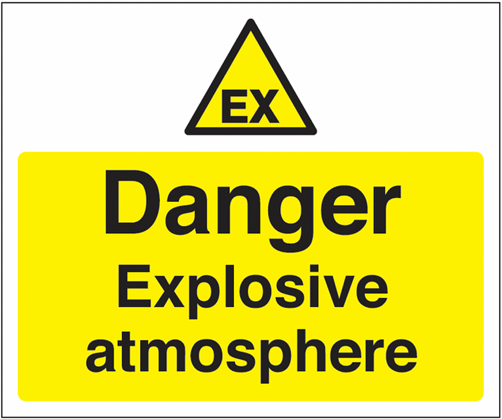
What is a Hazardous Area?
A Hazardous Area is an area in which flammable substances, such as combustible gases, vapours, mists or dusts, can mix with air and, if an ignition source is present, cause an explosion.
There are many routes to certify a product suitable for use in these areas, such as:
- ATEX – European Union
- IECEx – Internationally recognised certification scheme
- UKEX – Great Britain
- JPEx – Japan
These refer to the legislation covering equipment used in potentially explosive atmospheres. The zone classification dictates what devices can – and cannot – be used there.
Understanding hazardous area zones
Hazardous Areas are classified according to the likelihood and duration of an explosive atmosphere being present.
Gas, Vapour and Mist Classifications
|
Gas Zone |
Dust Zone |
Explanation |
|
Zone 0 |
Zone 20 |
Present continuously, for long periods or frequently |
|
Zone 1 |
Zone 21 |
Likely to occur occasionally during normal operation |
|
Zone 2 |
Zone 22 |
Unlikely during normal operation and, if it occurs, exists only briefly |
Why is Ex required?
Explosive atmospheres can form when three conditions come together:
- A flammable substance is present.
- The substance mixes with oxygen in the air
- An ignition source is introduced.
Ex helps ensure that equipment installed in potentially explosive atmospheres is designed and assessed to minimise the risk of becoming an ignition source. For example, sensors that limit electrical energy available in the circuit.
Typical Ex Industries
- Chemical Manufacturing
- Oil & Gas
- Pharmaceuticals
- Paint Manufacturing
- Paper Manufacturing
- Food Manufacturing
What are the ATEX equipment categories?

Equipment categories determine the level of protection required under the ATEX equipment directive. For example, ExTemp carries the marking II 1GD. This indicates:
Group II: Equipment intended for surface industries rather than mines.
Category 1: Highest category of protection. The ‘1’ is the ATEX category which specifies the level of risk of creating an explosion. In short, category 1 is safe with two countable faults.
G: Gas atmospheres. D: Dust atmospheres.