
Rollers, Pipes and Cylinders Non-Contact Temperature Measurement
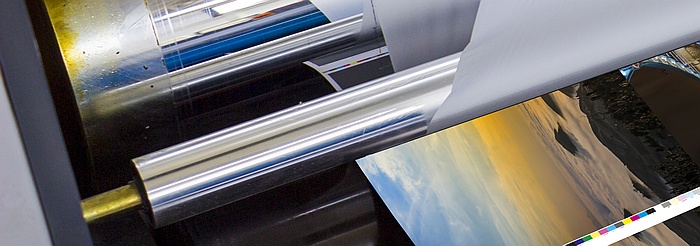
Infrared sensors provide an easy and accurate way of measuring the temperature of moving cylindrical objects in industrial processes.
Calenders, rolls, rotating tubes and pipes have traditionally been difficult to measure using contact probes such as rolling thermocouples.
The thermocouple tip rubs against the surface and must often be replaced; the response time is too slow and the contact measurement is subject to errors from friction and heat transfer from the surrounding air. IR temperature sensors avoid all these problems.
With a Calex non-contact infrared sensor, the surface temperature is instantaneously measured with a response time of a fraction of a second. There is no surface contact, no mechanical wear and no friction.
Steel, rubber and plastic surfaces are all easy to measure; we must simply choose a sensor depending on the temperature and material. In some cases the surface should be painted.
Rubber and Plastic
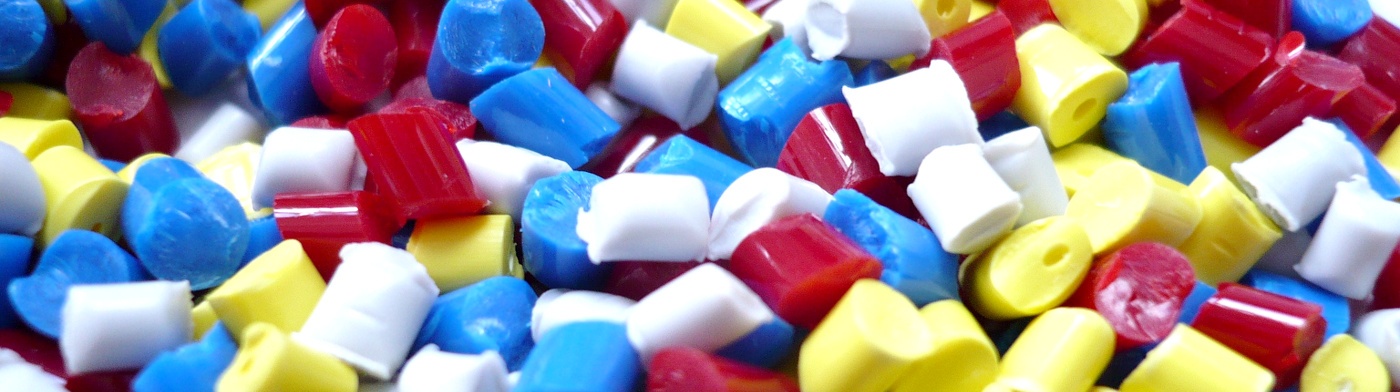
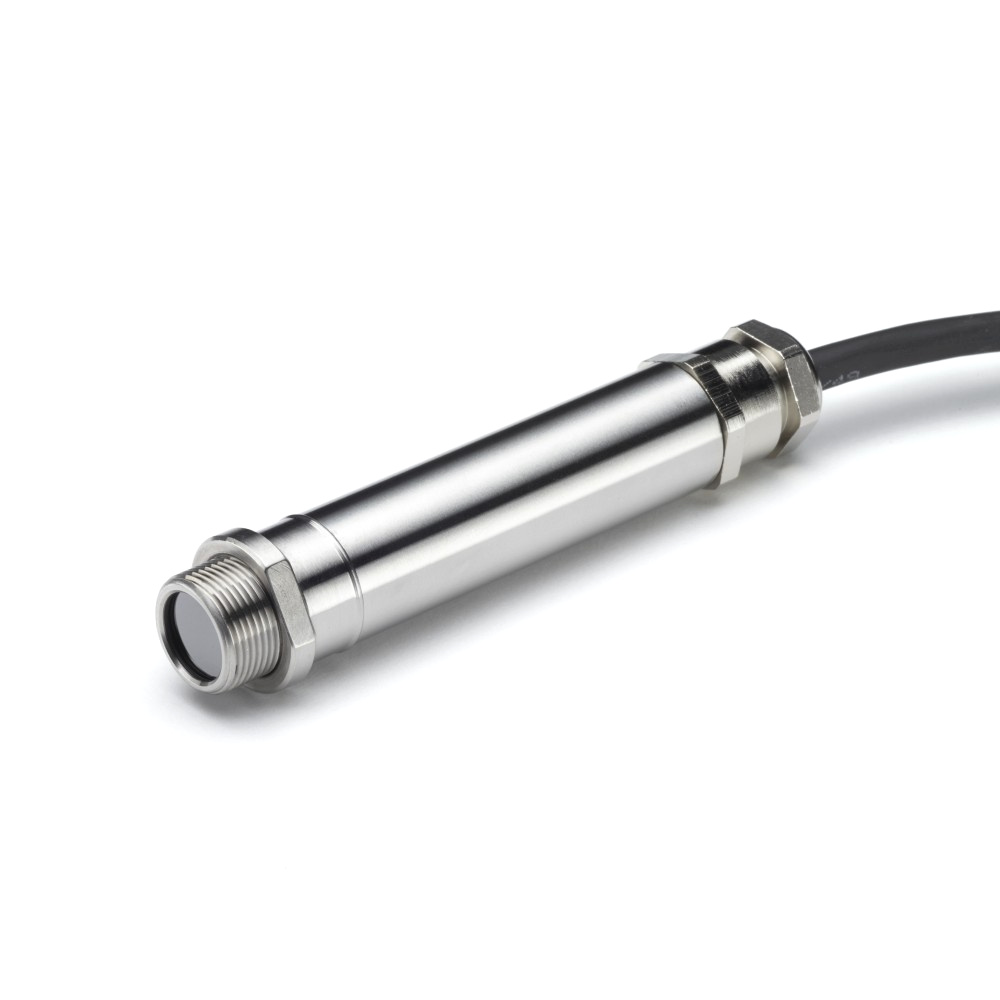
These materials are not reflective and are easy to measure using a simple sensor such as the PyroCouple. The fixed emissivity setting of 0.95 gives excellent results.
Simply choose an output type, and select optics that provide a measured spot smaller than half the diameter of the pipe or roller.
The PyroCouple has a choice of analogue outputs, however any of our other general-purpose sensors, which are available with digital outputs, will work just as well.
Steel
Reflective metals such as steel should be measured with short-wavelength sensors, provided the surface is hot enough.
The PyroUSB model PUA2, which has a configurable 4-20 mA output, can measure temperatures as low as 45°C, depending on how reflective the surface is.
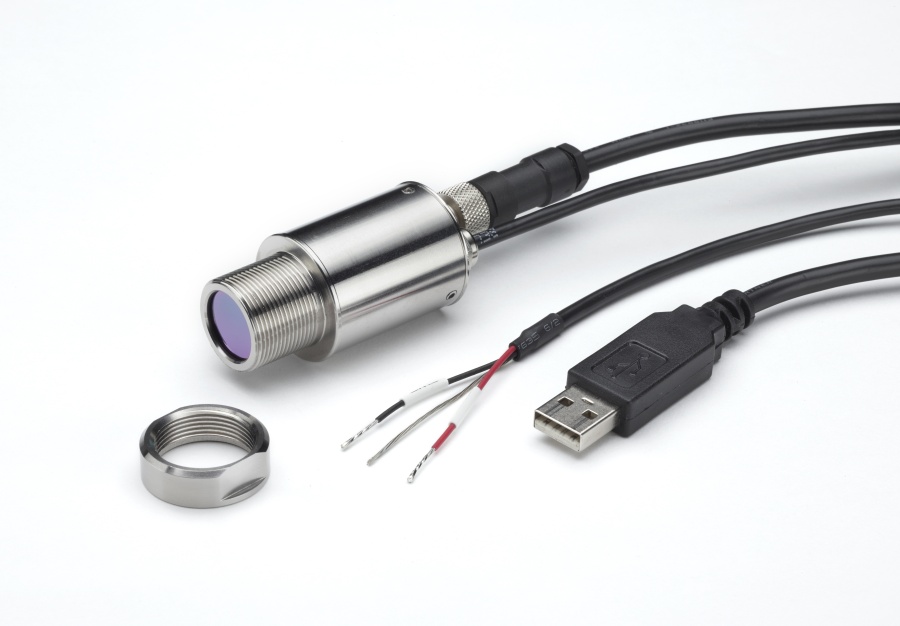
For example, this sensor is used with great success to measure the induction-heated preheat temperature in pipe welding applications, and roller surfaces in the fabric, laminating, paper, corrugated board, plastic and tyre manufacturing industries among many others.
When using short-wavelength sensors at very low temperatures, the measurement area should be kept dark to avoid interference from sunlight and high-intensity light sources.
Low-Temperature Metals
If the temperature of a bare metal surface is too low to use a short-wavelength sensor, then to achieve the best accuracy with a general-purpose sensor, the surface must be made less reflective.
Metals are easy to measure with general-purpose sensors if they are painted or coated. Ideally, a measurable band around the working surface of the roller is painted; if this is not possible then a measurement of the end of the roller is often acceptable.
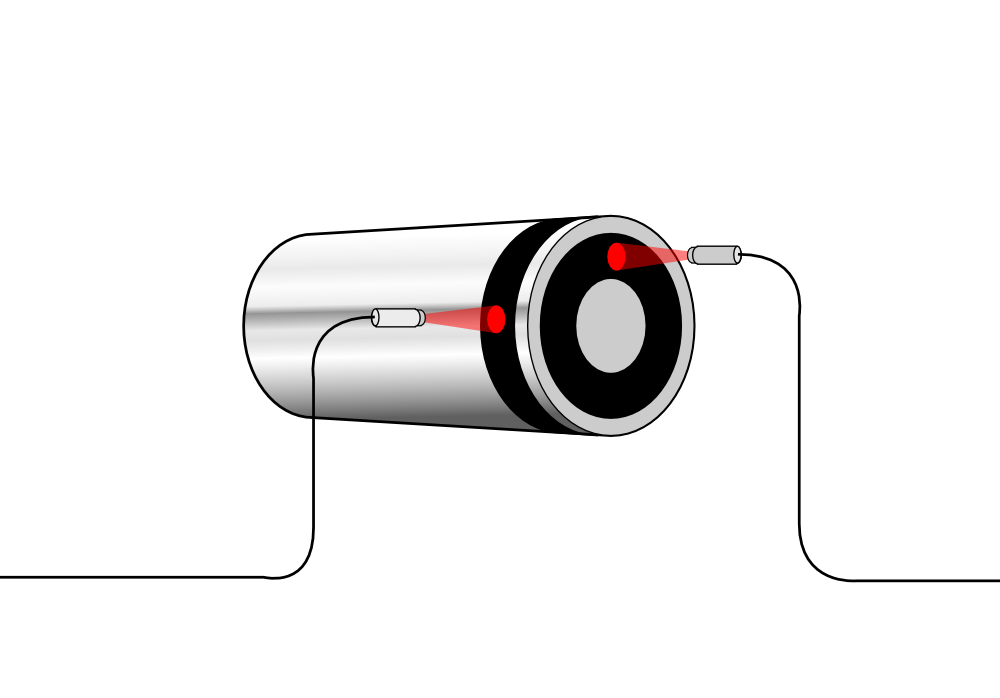
High-temperature paints can typically withstand temperatures of several hundred degrees C.
Bare aluminium is difficult to measure at any temperature, however it is easy if the measurement area is painted or anodised.