
Hazardous Area Infrared Temperature Measurement
The following application notes highlight a number of applications where temperature monitoring may be required in hazardous areas. In these environments, contact temperature measurement can present challenges. We highlight how our ATEX-certified non-contact infrared temperature sensors, such as ExTemp and ExTempMini, may help overcome these challenges.
Oil Separator Monitoring
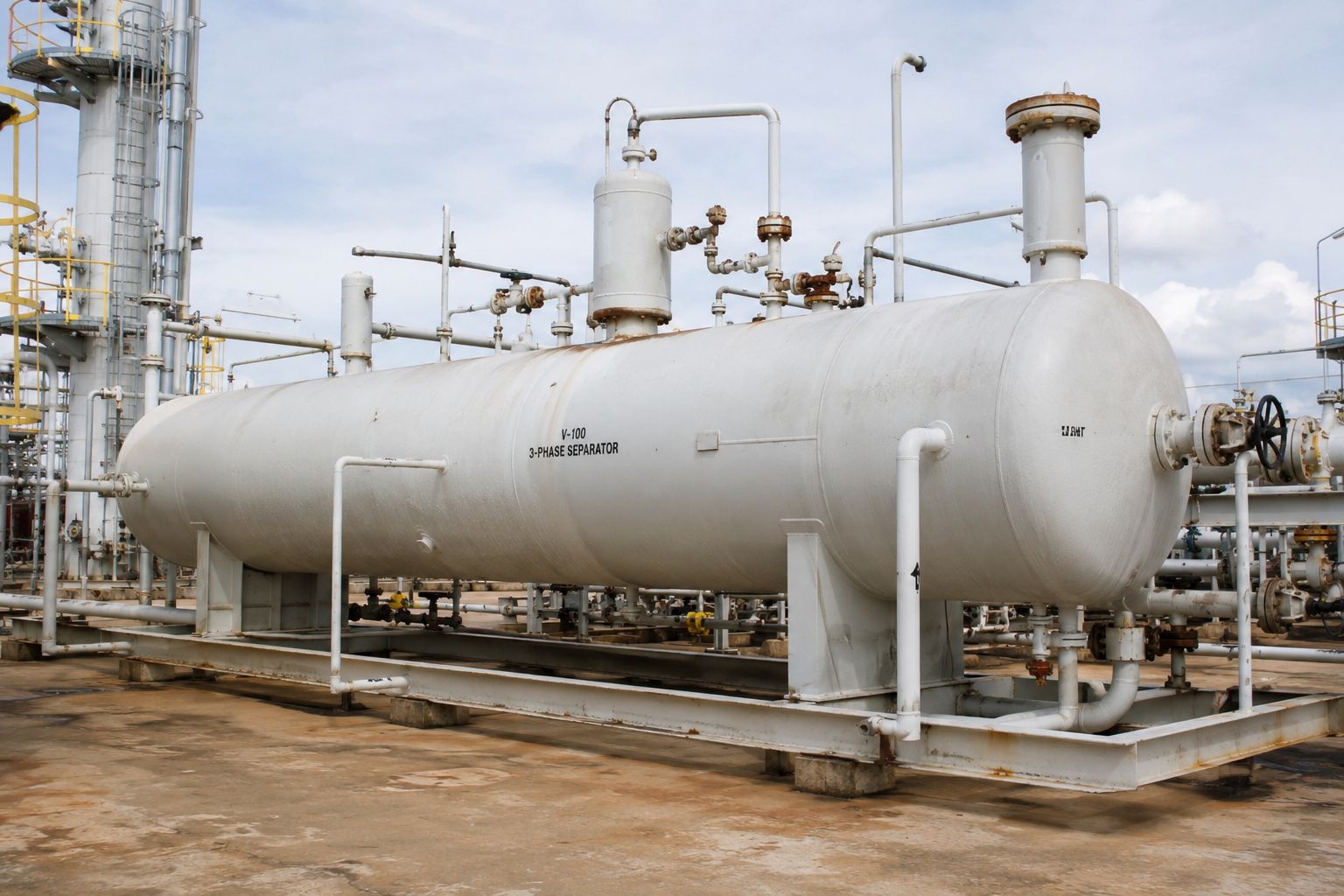
Problem:
Internal probes sealed into thermowells within oil separators can, over time, degrade and cause risk of seal failure and points of leakage.
Solution:
Measuring the external temperature of the vessel removes the need for thermowells and in turn removes the risk of seal failure. Replacing probes or thermowells also requires process downtime creating avoidable loss of production.
Grain Processing
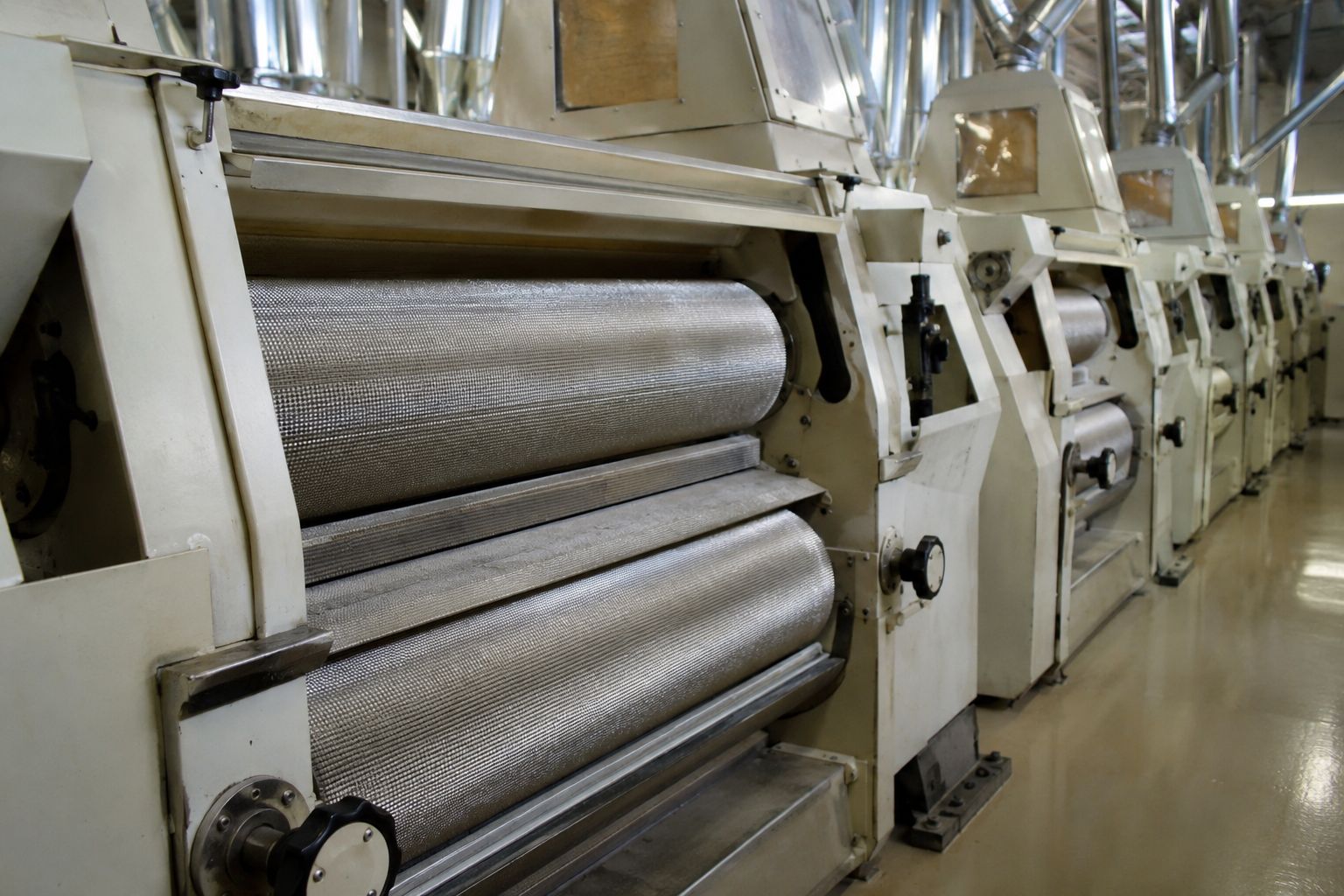
Problem:
Fine organic dust within grain processing becomes explosive when suspended in air creating a hazardous environment requiring intrisically-safe equipment. Friction from the build up of grain material can cause localised hot-spots which internal thermocouples would not pick up.
Solution:
Using an ExTemp, a larger area of the process can be monitored from a suitable distance.
Motors
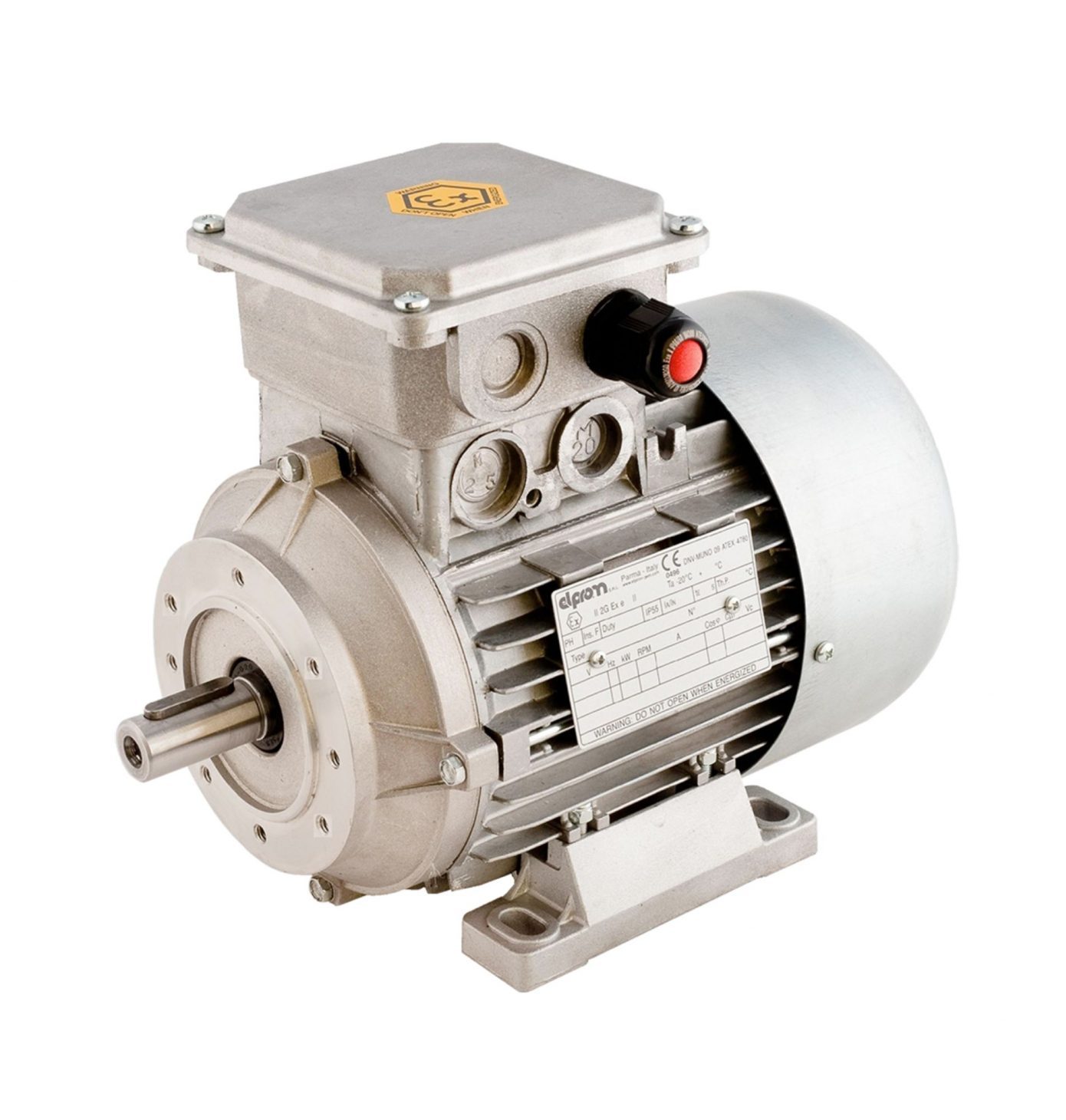
Problem:
Motors in ATEX areas traditionally rely on contact probes which can be easily damaged by vibration and require frequent replacement.
Solution:
Measure the external signs of failure (casing hot spots) on the motor bearing housings, drive-end & non-drive end with ExTemp or ExTempMini, preventing costly downtime.
Oil Rigs Monitoring

Problem:
Surfaces on oil rigs can tell the operator a lot about the process conditions, such as the choke housing or valve body on a wellhead, which are often positioned in hazardous hydrocarbon gas zones. Excessive temperatures here can indicate internal flow restrictions.
Solution:Surface measurement with a suitable instrinsically safe infrared temperature sensor, such as ExTemp.
Chemical Processes
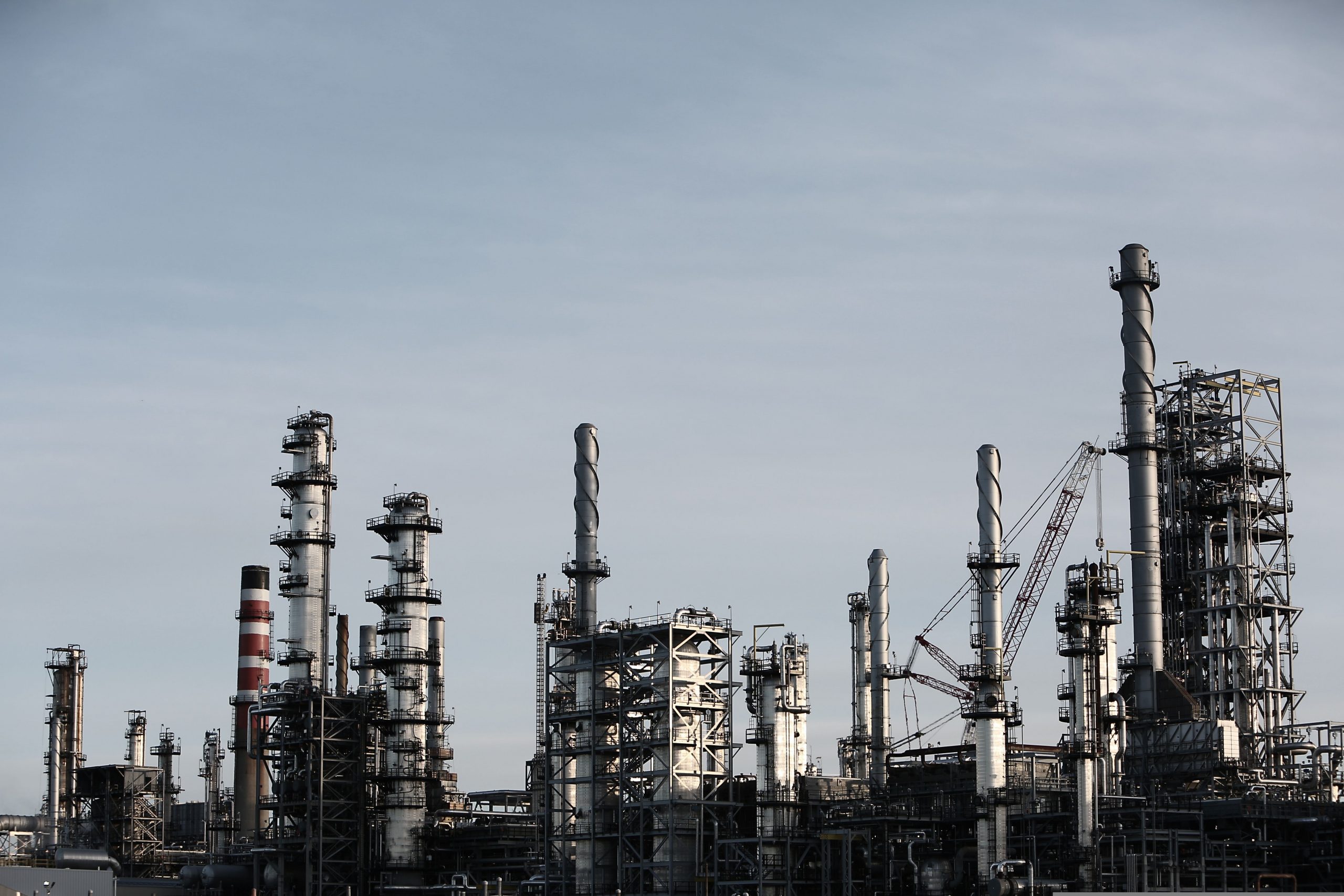
Problem: Thermal runaway in hazardous chemical processes can be caused by cooling jacket failure, uneven reaction zones or poor agitation causing localised pockets of increased heat. Thermal runaway then causes an accelerated reaction and potentially a failed process.
Solution:
Monitor the temperature of the cooling jacket to maintain effectiveness and ensure there are no blocked heat transfer surfaces. This can be done with ease using sensor designed for use in ATEX environments, such as ExTemp or ExTempMini.